
Hormone Balance and Thyroid Health: Lifestyle and Stress Strategies

The Hidden Drivers Behind Hormone Imbalance
Hormones are often misunderstood because conventional approaches look only at numbers on a lab test. Thyroid dysfunction, testosterone decline, and menopausal symptoms are treated with medications without addressing the deeper causes. In reality, your hormones respond to upstream signals from the hypothalamus and pituitary glands, as well as to the adrenals and your overall lifestyle.
Understanding this hierarchy is crucial. The hypothalamus interprets stress, both emotional and physical, and sends signals to the pituitary, which in turn communicates with the adrenals and the thyroid. When the body perceives danger or stress, cortisol levels rise, nutrient stores are depleted, and downstream hormones—including sex hormones and thyroid hormones—are affected. This is why lifestyle, stress management, and nutrition have a larger impact than most people realize.
Recognizing the Signs and Symptoms
Hormone imbalance often shows up subtly before it becomes obvious. Fatigue, weight gain, constipation, low body temperature, mood swings, and swelling are common indicators that your hormonal system may be out of balance. Many people, however, normalize these symptoms as “just getting older” or “stress catching up,” missing the opportunity for early intervention.
In men, low testosterone may go unnoticed until energy levels plummet, muscle mass declines, or libido wanes. Women may experience irregular cycles, mood fluctuations, or uncomfortable menopause symptoms. Paying attention to these signals is the first step in taking back control of your hormonal health.
Understanding Blood Markers and Thyroid Function
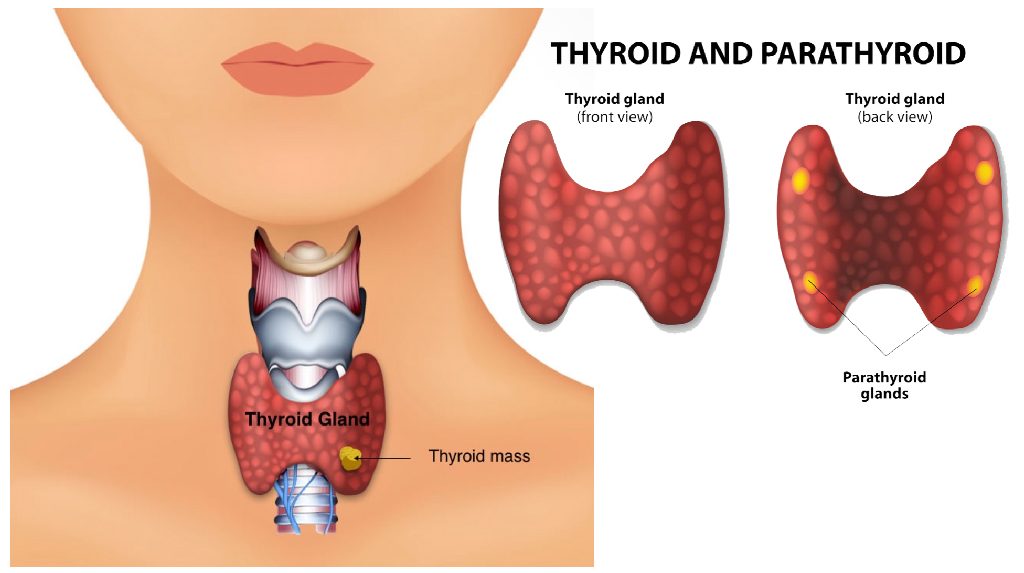
Blood tests can provide a snapshot of your hormone health, but they require context to interpret correctly. TSH measures pituitary signaling to the thyroid, not the thyroid itself. T4 represents the inactive hormone, while T3 is the active form your body needs. Thyroid antibodies reveal autoimmune activity, and complete blood counts can uncover nutrient deficiencies that affect hormone function.
It’s important to remember that thyroid function is only part of the picture. The adrenals, pituitary, and hypothalamus all influence how well your thyroid works. This interconnected system explains why lifestyle interventions—nutrition, stress reduction, and proper nervous system support—often have a more profound impact than medication alone.
The Power of Cortisol and Stress Management
Cortisol, the body’s primary stress hormone, is often the hidden driver of hormonal imbalance. Chronic stress keeps cortisol elevated, which can suppress thyroid function, deplete nutrients, and affect sex hormones. This explains why someone can feel fatigued, gain weight, and struggle with mood issues even when their lab results appear normal.
Managing stress is not optional for hormone balance—it is foundational. Relaxation practices, lifestyle adjustments, and movement are essential for signaling to the body that it is safe to restore normal hormone function. Lowering cortisol creates the environment for both thyroid and sex hormones to operate optimally.
Sex Hormones Across the Lifespan
Sex hormones follow natural patterns across the lifespan but are highly sensitive to lifestyle factors. For men, testosterone should remain relatively stable after puberty, yet modern habits, poor diet, stress, alcohol, and medications can accelerate declines. Many men turn to hormone replacement, often without addressing underlying causes, which can result in limited benefit or unnecessary risk.
For women, estrogen and progesterone cycles last decades, with menopause marking a natural transition. Lifestyle and environment heavily influence the intensity of menopausal symptoms. Cultures around the world report minimal symptoms compared to Western populations, highlighting the role of diet, stress, and cultural factors in hormone expression.
Lifestyle as the Foundation for Hormone Health
Synthetic hormones and medications can address symptoms temporarily, but they rarely restore balance. True hormone health comes from supporting the body with lifestyle strategies that improve nutrition, reduce inflammation, enhance sleep, and promote regular movement.
Even brief, intentional movement can boost testosterone in men and help balance estrogen and progesterone in women. Exercise stimulates the nervous system, improves circulation, and signals the body to shift from survival mode to restoration. Over time, consistent lifestyle interventions provide long-lasting improvements to energy, mood, and overall health.