
The Root Cause of Hormone Imbalance: Stress, Thyroid & Nervous System Health

The Hormone Problem Isn’t What You Think
Hormones are often blamed for everything from fatigue to weight gain to mood swings. But focusing only on hormones misses the bigger picture. Hormones are not the root cause—they are messengers responding to signals from the brain and body.
The real question isn’t “What’s wrong with my hormones?” but rather, “What signals is my body receiving every day?” Because those signals determine how hormones behave, adapt, and shift over time.
The Brain-Body Connection: Understanding the HPA Axis
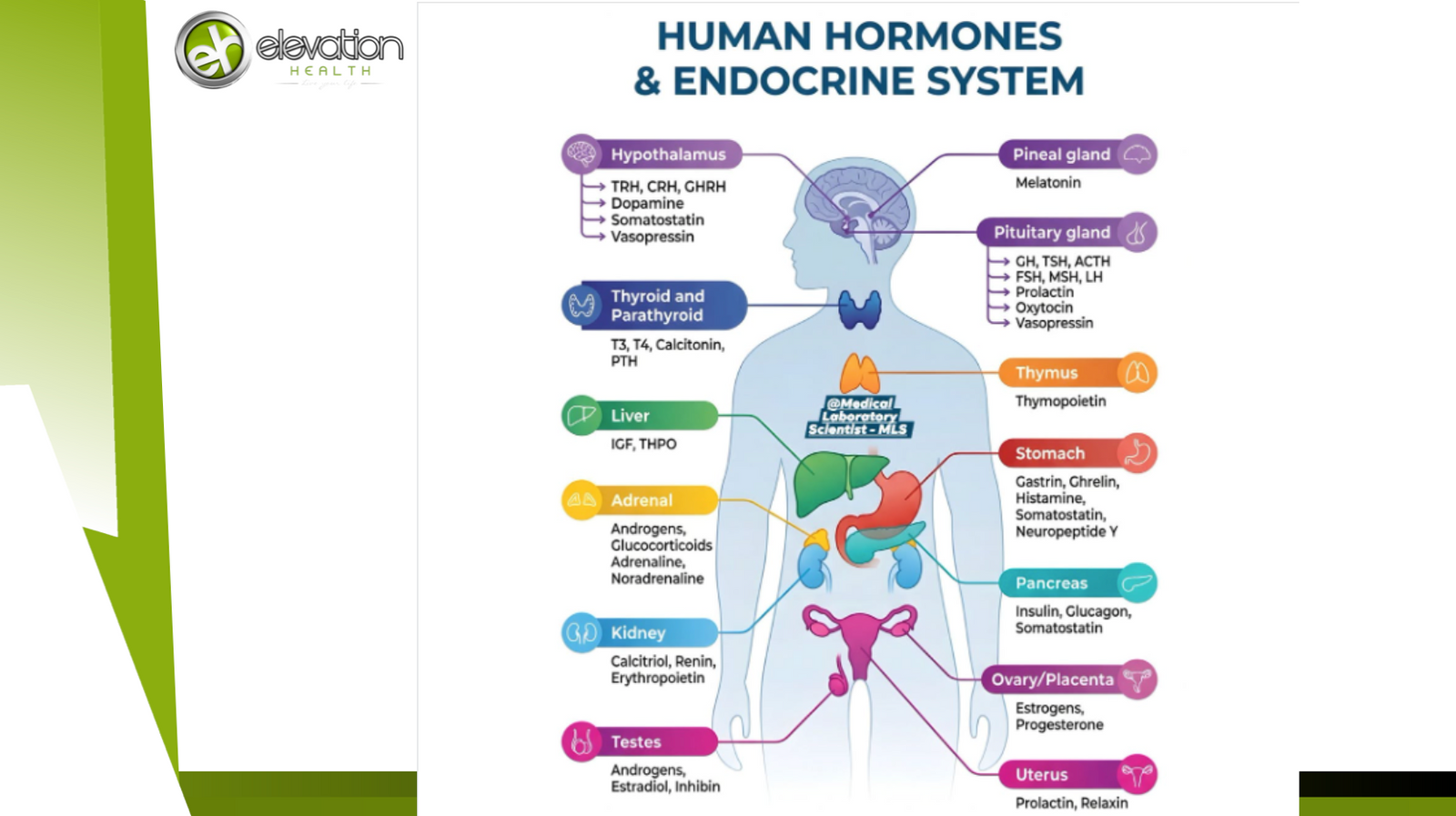
At the center of hormonal control is the HPA axis—short for hypothalamus, pituitary, and adrenal glands. This system acts as the command center, constantly interpreting stress and adjusting hormone output accordingly.
When stress is perceived, the hypothalamus signals the pituitary, which activates the adrenals to release cortisol. This cascade is essential for survival—but when it stays activated too long, it disrupts nearly every other system in the body.
Cortisol: The Hormone That Overrides Everything
Cortisol is designed to protect the body in times of danger. It increases alertness, raises blood sugar, and prepares the body for action. But when cortisol remains elevated due to chronic stress, it begins to suppress other critical functions.
This includes thyroid activity, reproductive hormones, digestion, and immune regulation. Over time, this leads to symptoms that many people mistakenly treat as isolated problems rather than signs of a stressed system.
Why Thyroid Issues Are So Common
The thyroid is highly sensitive to stress, nutrient levels, and immune activity. When cortisol is high, thyroid function is often reduced as a protective mechanism.
Additionally, nutrient deficiencies can limit hormone production, while gut dysfunction can impair hormone conversion and trigger autoimmune responses. This combination makes thyroid issues one of the most common health challenges today.
A Holistic Approach to Hormone Balance
True hormone balance requires a whole-body approach. Addressing stress, supporting the nervous system, optimizing nutrition, and healing the gut are all essential components.
Rather than chasing symptoms, the focus should be on restoring balance and communication within the body. When the underlying systems are supported, hormones naturally begin to regulate themselves.