
Cortisol, Hormones, and Lifestyle: Why There Are No Shortcuts to Health

Why Hormone Imbalance Is Not What It Seems
Hormone imbalances are often treated as isolated issues, but they are rarely the root problem. Instead, they are signals that the body is adapting to stress, environment, and lifestyle inputs. When symptoms like fatigue, weight gain, and low energy appear, they are not random—they are part of a larger physiological response.
The body operates through interconnected systems, with the hypothalamus, pituitary, and adrenal glands leading the way. These systems interpret stress and determine how hormones are produced and regulated. Understanding this hierarchy is essential for addressing the true cause of imbalance rather than masking symptoms.
The Rise of Testosterone Therapy and Andropause
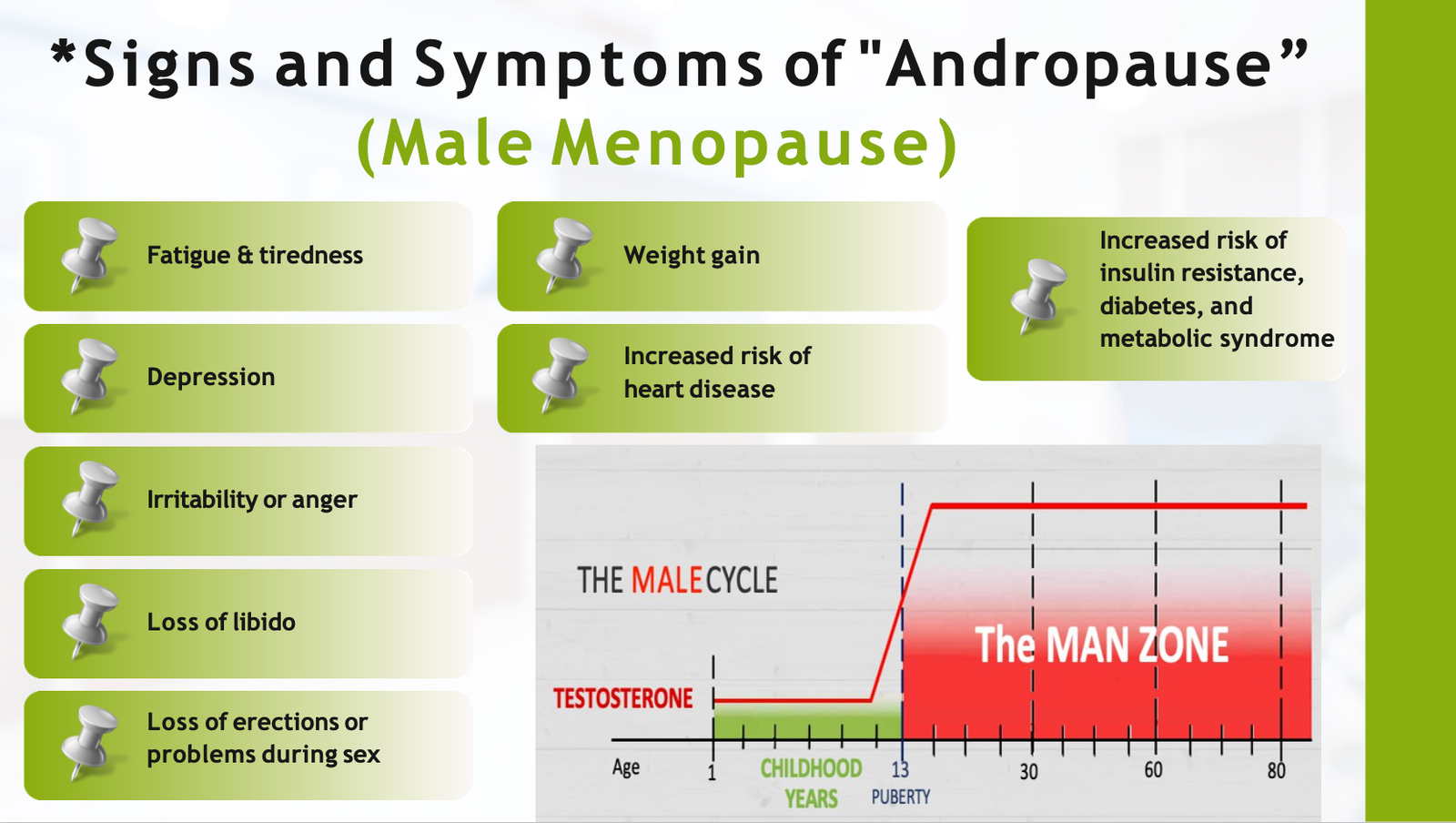
In recent years, testosterone therapy has gained popularity as more men experience fatigue, low energy, and decreased performance. These symptoms are often labeled as “andropause,” suggesting a natural and inevitable decline.
However, lifestyle factors play a significant role in testosterone levels. Chronic stress, poor diet, inflammation, alcohol use, and lack of movement all contribute to declining hormone levels. Without addressing these factors, hormone therapy may provide temporary changes without lasting improvement.
The Role of Cortisol in Hormonal Disruption
Cortisol is one of the most important hormones in the body, responsible for regulating stress response, blood sugar, and immune function. While it is essential for survival, chronic elevation creates widespread disruption.
When cortisol remains high, the body shifts into survival mode. Resources are redirected away from processes like digestion, reproduction, and tissue repair. This shift explains why chronic stress can lead to digestive issues, weakened immunity, and hormonal imbalance.
Understanding Cortisol Steal and Hormone Production
Hormones are produced through a cascade that begins with pregnenolone, often referred to as the “mother hormone.” From this starting point, the body creates testosterone, estrogen, progesterone, and other essential hormones.
Under chronic stress, the body prioritizes cortisol production. This process, known as cortisol steal, diverts resources away from other hormones. As a result, sex hormone levels drop, leading to symptoms such as fatigue, mood changes, and decreased vitality.
Why Lifestyle Is the True Solution
While medications and hormone therapies can provide temporary relief, they do not address the underlying causes of imbalance. Lifestyle remains the most powerful tool for restoring health. Nutrition, movement, stress management, and nervous system support all play critical roles in regulating hormones.
When the body is supported through consistent, healthy habits, it begins to restore balance naturally. This approach not only improves hormone levels but also enhances overall well-being, energy, and resilience.