
How to Reverse Insulin Resistance Naturally: The Real Cause and the Real Solution

Understanding Insulin Resistance: What’s Really Going On
Insulin resistance develops quietly over years, often without noticeable symptoms. Long before blood sugar rises or labs show abnormalities, the body struggles to manage glucose effectively. Insulin, produced by the pancreas, acts like a key that opens the door for glucose to enter the cells. But when the body is flooded with sugar day after day, decade after decade, the cells eventually stop responding.
This creates a dangerous internal cycle: glucose stays in the bloodstream, insulin increases, inflammation rises, and the stage is set for metabolic dysfunction. Symptoms such as thirst, fatigue, frequent urination, blurry vision, and stubborn weight gain often appear—but many people dismiss them as signs of aging or stress.
Over time, this silent progression damages nerves, blood vessels, and essential organs. While insulin resistance is reversible for most individuals, the consequences become harder to address once significant damage has occurred.
Why Medications Don’t Solve the Problem
Many individuals rely on medications to “control” diabetes, believing that stable blood sugar numbers reflect true health. However, medications often reduce blood sugar by forcing it into tissues rather than improving insulin sensitivity. Blood sugar may look normal on a surface level, but the underlying dysfunction continues.
What diabetes should truly be called is a reversible dietary disease. It develops because there is simply too much glucose in the body. Medications cannot undo the metabolic impact of excess sugar or heal the receptors that have become resistant.
True restoration requires addressing the cause—lifestyle patterns and nutritional choices that directly influence physiology.
A New Approach: Seeing Inside Your Physiology
For many years, continuous glucose monitors (CGMs) were only available to insulin-dependent diabetics. In 2024, that changed. This powerful tool now allows anyone to see real-time glucose trends throughout the day without constant finger-pricking.
This technology has been transformational. By monitoring glucose responses to meals, stress, sleep, and activity, individuals learn exactly what helps them stabilize blood sugar and what triggers spikes. The result is empowerment—visibility into the exact patterns driving insulin resistance.
This kind of awareness allows for better decision-making and more targeted lifestyle adjustments, ultimately creating an environment where the body can heal and insulin sensitivity can improve.
A Real-Life Transformation
Stories of personal change carry incredible weight. One such story involves Annette, who reached a breaking point after receiving concerning lab results. Elevated A1C, high triglycerides, and a history of heart complications pushed her to make serious changes.
Her medications, including one that cost more than a mortgage, were not sustainable long-term. She needed a real solution—something that addressed the origin of her metabolic issues.
The CGM became her breakthrough. Seeing her internal glucose levels in real-time was sobering but empowering. It provided a window into her metabolic health and exposed patterns she never realized were harming her. With this insight, she began making consistent, meaningful changes that led to profound improvements.
The Path Forward: Taking Control of Your Health
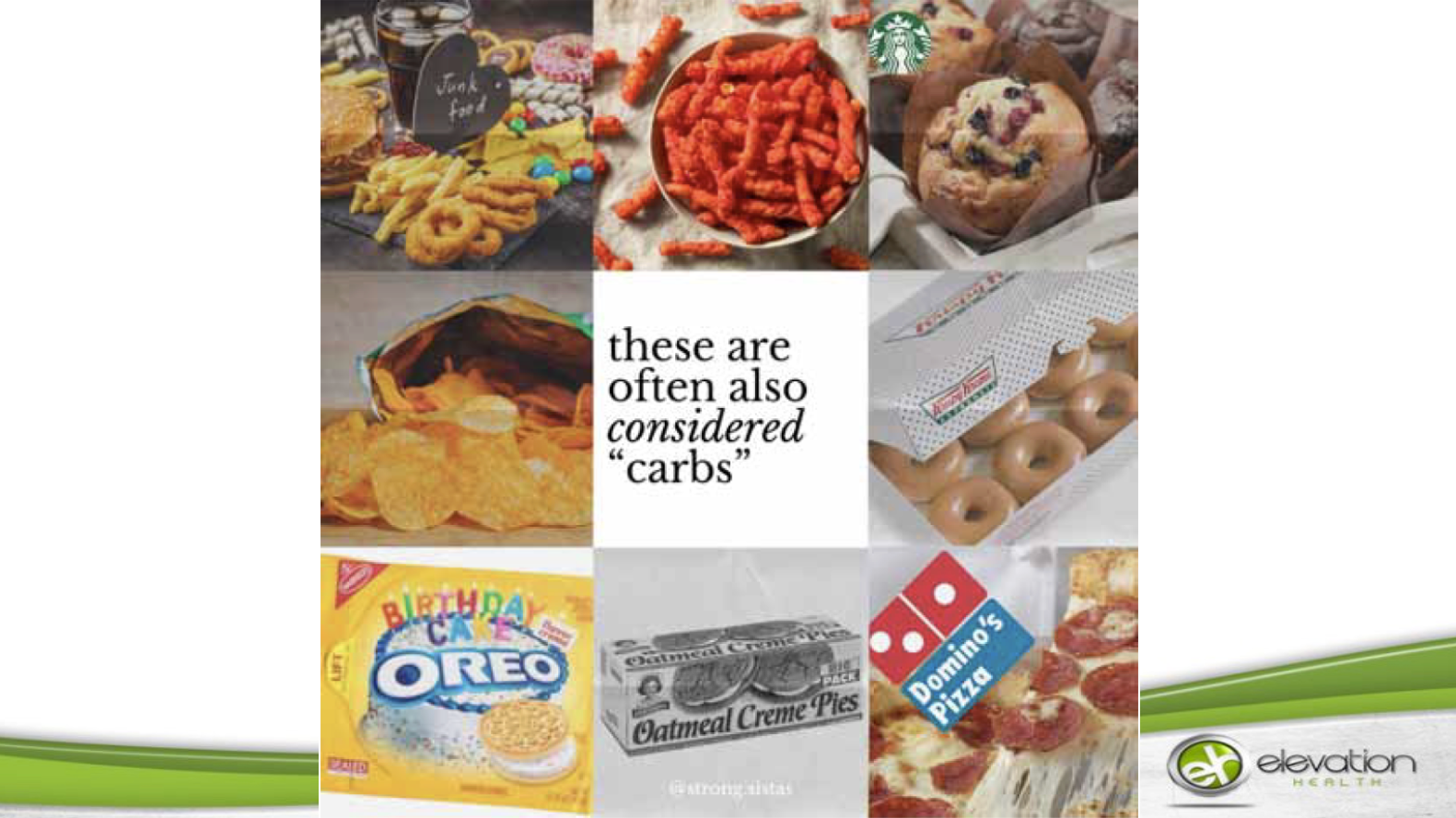
Insulin resistance does not have to progress. It is not an unavoidable part of aging, nor is it a life sentence. With the right tools, awareness, and lifestyle strategy, the body can recover. Restoring metabolic health involves nourishing the body with whole foods, reducing sugar and refined carbohydrates, managing stress, staying active, and increasing insulin sensitivity.
Reversing insulin resistance is not about perfection—it’s about intention, consistency, and understanding what your body needs to heal. With the right support and clarity, anyone can begin this journey and experience renewed energy, improved weight stability, and long-term wellness.