
Why Recovery Is the Missing Ingredient in Modern Health

Recovery Is the Foundation of Healing
Modern culture celebrates productivity, hustle, and constant movement, but very few people are taught the importance of recovery. Many individuals are running on exhaustion while assuming fatigue is simply a normal part of life.
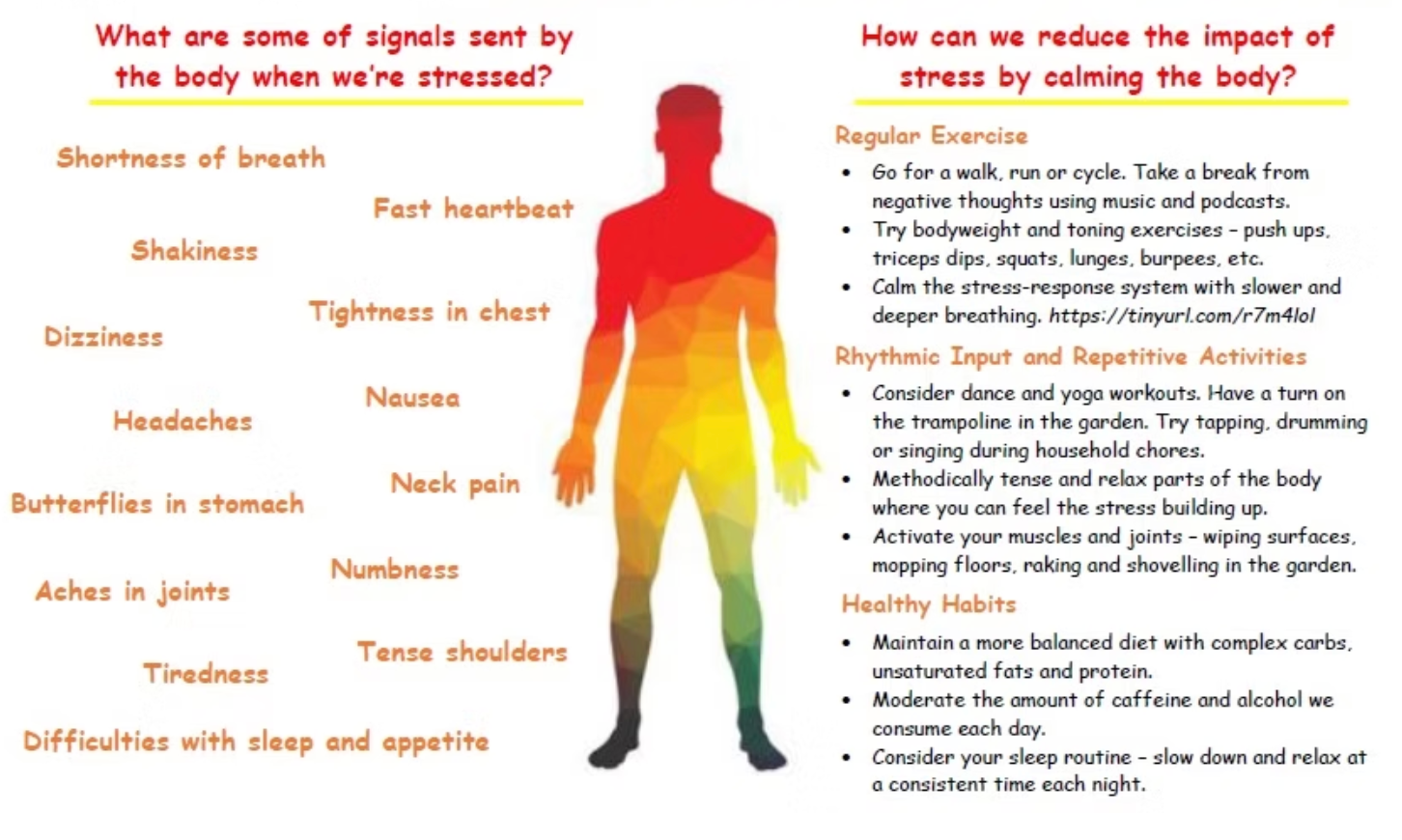
The body was never designed to remain in a constant state of stress. When the nervous system is overloaded for extended periods of time, healing becomes more difficult. Energy decreases, inflammation rises, hormones become imbalanced, and the body begins sending warning signs through symptoms like brain fog, digestive issues, poor sleep, and chronic fatigue.
True health is not built only through exercise and nutrition. Recovery is equally important. Healing requires moments where the body can slow down, repair itself, and restore balance internally.
━━━━━━━━━━━━━━━━━━━━━━━━━━━━━━━━━━━━━━
Chronic Stress Affects the Entire Body
Stress impacts far more than emotions. It changes physiology. Chronic stress affects hormone production, immune system function, digestion, inflammation levels, metabolism, and sleep quality.
When the body stays trapped in fight-or-flight mode, it prioritizes survival rather than repair. Over time, this creates wear and tear throughout the body. Many people attempt to improve their health through better food or exercise while ignoring the nervous system overload happening underneath the surface.
The body heals most efficiently when it feels safe, calm, and supported. This is why managing stress is not simply a mental health strategy—it is a physical healing strategy as well.
Creating moments of stillness, slowing down, and reducing overstimulation can have a profound impact on overall wellness.
━━━━━━━━━━━━━━━━━━━━━━━━━━━━━━━━━━━━━━
Sleep Is Essential for Long-Term Health
Sleep is one of the most powerful recovery tools the body has. During deep sleep, the body repairs tissues, balances hormones, restores the brain, regulates inflammation, and strengthens the immune system.
Unfortunately, poor sleep has become normalized in modern life. Many people rely on caffeine and stimulants to function while remaining chronically sleep deprived. Over time, this creates significant strain on the body.
Quality sleep supports:
Mental clarity and focus
Hormone balance
Fat burning and metabolism
Emotional resilience
Muscle recovery
Immune function
Cellular repair
Protecting sleep quality can dramatically improve energy, mood, and overall health outcomes. Simple habits such as reducing screen exposure before bed, creating consistent sleep schedules, and spending more time outdoors during the day can significantly improve sleep patterns.
━━━━━━━━━━━━━━━━━━━━━━━━━━━━━━━━━━━━━━
Movement and Recovery Work Together
Recovery does not always mean complete inactivity. In many cases, movement actually supports healing and nervous system regulation.
Walking, stretching, mobility work, resistance training, and spending time outdoors all improve circulation, oxygen delivery, detoxification, and brain health. The key is balancing movement with recovery instead of constantly pushing the body into exhaustion.
Sustainable exercise routines are far more effective long term than extreme workouts that lead to burnout. Consistency matters more than intensity.
The body thrives when movement becomes part of daily life in a way that feels sustainable and restorative.
━━━━━━━━━━━━━━━━━━━━━━━━━━━━━━━━━━━━━━
The Nervous System Influences Overall Wellness
The nervous system controls communication throughout the entire body. Every organ, muscle, and healing response depends on proper neurological function.
When the nervous system becomes overwhelmed through chronic stress, lack of sleep, inflammation, and overstimulation, the body often begins functioning less efficiently. This is why emotional stress can eventually create physical symptoms.
Healthy recovery habits help regulate the nervous system and improve resilience over time. These may include:
Deep breathing
Prayer and meditation
Chiropractic care
Time outdoors
Meaningful relationships
Consistent movement
Quality sleep
Reduced screen overstimulation
Healing is never just physical. It involves emotional, mental, neurological, and spiritual restoration as well.