
Mobility And Spinal Health Are Essential For Healthy Aging
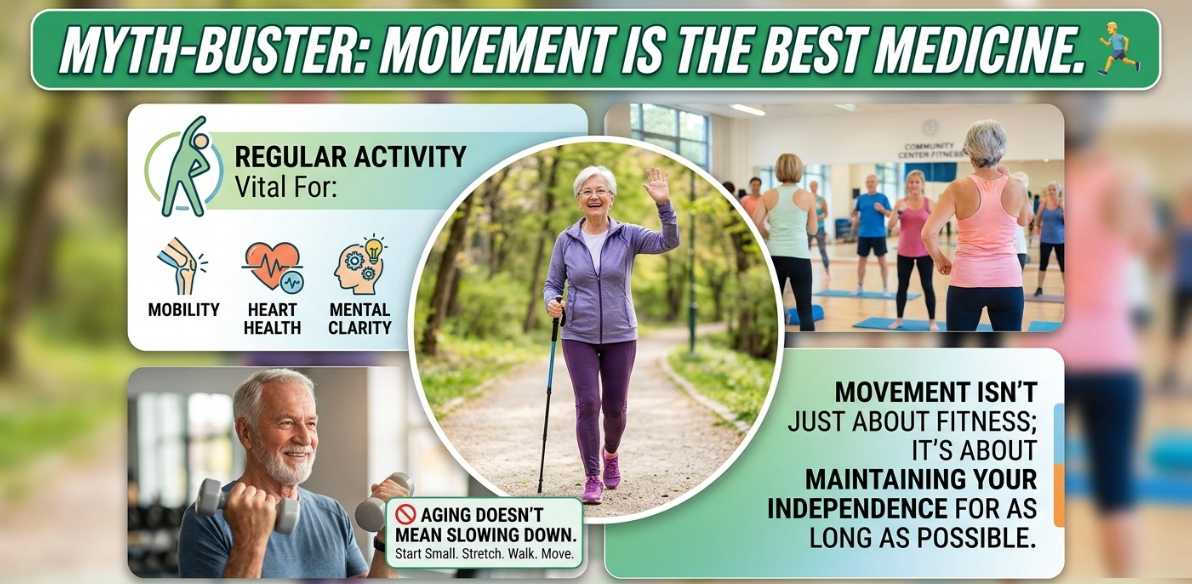

Movement Is A Major Predictor Of Longevity
One of the strongest indicators of healthy aging is mobility.
The ability to move efficiently, maintain balance, preserve strength, and remain physically independent strongly influences long-term quality of life. Research continues showing that reduced mobility often correlates with higher risks of injury, disease, and premature mortality.
Movement supports nearly every major system in the body, including circulation, metabolism, brain health, hormone balance, and stress regulation.
As people age, maintaining movement becomes increasingly important for preserving vitality and independence.
Understanding Spinal Hygiene
Spinal hygiene refers to the daily habits that support healthy posture, spinal alignment, flexibility, and nervous system function.
Modern lifestyles often create structural stress through prolonged sitting, poor posture, repetitive movements, and excessive screen time. Over time, these patterns can negatively affect spinal health and overall function.
Healthy spinal hygiene practices include:
- Regular stretching
- Strength training
- Ergonomic awareness
- Proper posture
- Chiropractic care
- Recovery and mobility exercises
Caring for the spine helps protect the nervous system and supports long-term wellness.
The Nervous System And Healthy Aging
The nervous system controls every function within the body. Communication between the brain and body influences movement, healing, recovery, coordination, and organ function.
When spinal dysfunction interferes with nervous system communication, the body may experience increased tension, reduced mobility, altered posture, and decreased adaptability.
Chiropractic care focuses on improving spinal alignment and supporting nervous system efficiency so the body can function optimally.
As individuals age, maintaining nervous system health becomes increasingly important for preserving overall quality of life.
Why Posture Matters More Than People Realize
Posture affects far more than appearance.
Poor posture can influence:
- Breathing efficiency
- Joint stress
- Balance
- Muscle tension
- Energy expenditure
- Movement quality
Structural changes in the spine over time may contribute to reduced mobility and increased physical stress throughout the body.
Improving posture through movement, strengthening, chiropractic care, and ergonomic awareness can significantly improve overall function and comfort.
Small Habits Create Long-Term Results
Healthy aging is rarely the result of one dramatic change. It is usually the result of consistent daily habits practiced over time.
Walking regularly, improving posture, stretching, strengthening muscles, managing stress, and prioritizing nervous system health all contribute to long-term vitality.
The body continually adapts to repeated behaviors.
Healthy habits create healthier outcomes.