
The Hidden Connection Between Gut Health and Whole-Body Wellness
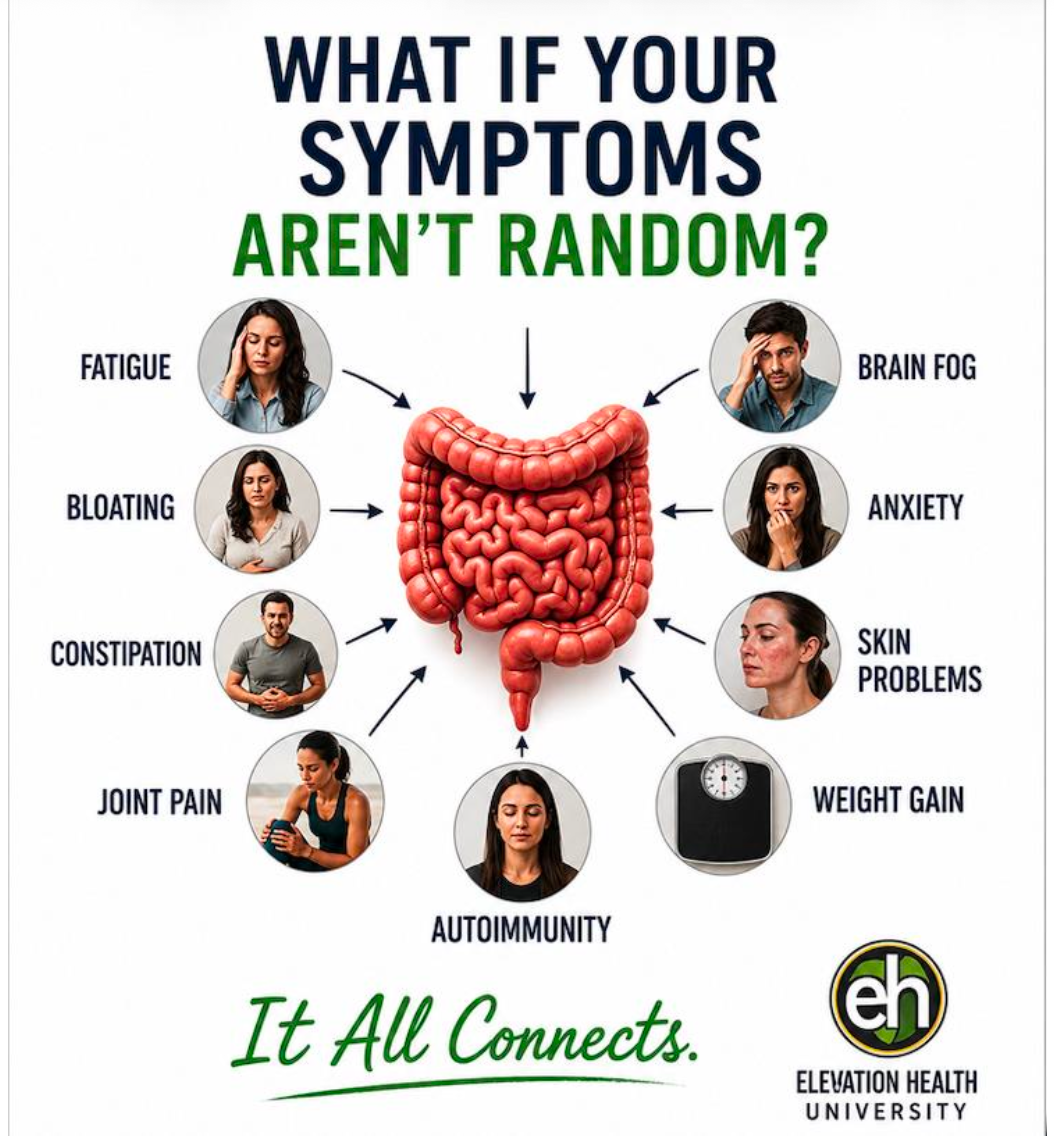

The Hidden Connection Between Gut Health and Whole-Body Wellness
Most people think of the digestive system only when something goes wrong. Bloating, heartburn, constipation, or stomach discomfort are often treated as isolated problems that need a quick fix. But what if your gut is influencing far more than your digestion?
The truth is that your digestive system plays a central role in nearly every aspect of your health. From the nutrients your body absorbs to the strength of your immune system, from your energy levels to your ability to think clearly, your gut is one of the most important foundations of long-term wellness. When it functions well, the entire body benefits. When it struggles, symptoms can begin appearing in places you would never expect.
Your Digestive System Is Designed for More Than Digestion
Every meal begins an incredible journey through a digestive system that was intelligently designed to nourish and protect the body. Digestion starts in the mouth, where chewing and digestive enzymes begin breaking food into smaller particles before it ever reaches the stomach.
From there, food moves into the stomach, where highly acidic gastric juices perform two essential jobs. First, stomach acid helps destroy harmful bacteria and pathogens that enter through food and water. Second, it breaks proteins into amino acids while helping release important minerals from food so they can eventually be absorbed by the body.
When stomach acid production decreases because of age, chronic stress, poor nutrition, or other factors, digestion becomes less efficient. Nutrients may not be fully absorbed, and the digestive process becomes compromised before food even reaches the small intestine.
Why Healthy Digestion Depends on More Than What You Eat
Many people assume that eating healthy automatically means the body is receiving proper nutrition. In reality, digestion must work properly before healthy foods can nourish your cells.
After leaving the stomach, food enters the small intestine where digestive enzymes from the pancreas and bile from the liver and gallbladder continue breaking down proteins, fats, and carbohydrates. Only after this process is complete can nutrients be absorbed into the bloodstream.
This means digestion and nutrition are not the same thing. A nutrient-rich diet provides little benefit if the digestive system cannot effectively process and absorb what you eat. Supporting digestive function is just as important as choosing healthy foods.
Stress Can Disrupt Your Gut
Modern life places tremendous demands on the nervous system. Financial concerns, work responsibilities, family obligations, lack of sleep, and constant stimulation can leave the body in a prolonged state of stress.
When the body shifts into "fight or flight," digestion becomes a lower priority. Blood flow is redirected away from the digestive organs, stomach acid production decreases, digestive enzymes decline, and the body's ability to break down food becomes less efficient.
This is one reason why many people notice digestive symptoms becoming worse during stressful seasons. Supporting the nervous system through healthy lifestyle habits, restorative sleep, regular movement, and chiropractic care may help the body return to its natural "rest and digest" state, where healing and digestion can function more efficiently.
The Small Intestine: Your Body's Nutrient Gateway
One of the most remarkable structures in the digestive system is the lining of the small intestine. Tiny finger-like projections called villi dramatically increase the surface area available for nutrient absorption.
These structures are designed to allow vitamins, minerals, amino acids, healthy fats, and other nutrients into the bloodstream while helping prevent harmful substances from crossing the intestinal barrier.
Maintaining the integrity of this barrier is essential for digestive health. Ongoing inflammation or damage may affect how efficiently nutrients are absorbed and how well the digestive system performs its protective role. A healthy intestinal lining supports both digestion and immune function.
Symptoms Are Often Messages, Not Mistakes
Many people spend years trying to eliminate symptoms without asking why those symptoms developed in the first place.
Fatigue, brain fog, bloating, digestive discomfort, skin irritation, and other health concerns are often viewed as separate issues. However, because every system in the body works together, digestive dysfunction may contribute to symptoms that extend well beyond the stomach.
Rather than simply covering up symptoms, it's important to ask better questions. What is the body trying to communicate? Is digestion functioning properly? Are nutrients being absorbed efficiently? Is chronic stress affecting digestive performance?
Understanding the root cause creates the opportunity for lasting improvements instead of temporary relief.
Building a Strong Foundation for Lifelong Health
True health begins with function. Supporting digestion doesn't require perfection, but it does require consistency.
Eating whole, nutrient-dense foods, chewing meals thoroughly, managing stress, staying hydrated, prioritizing quality sleep, and maintaining a healthy nervous system through regular chiropractic care all contribute to better digestive function.
Small daily choices create lasting change. Every healthy meal, every good night's sleep, and every step toward reducing stress strengthens the body's ability to heal and thrive.