
The Gut-Brain Connection: How Your Nervous System Influences Digestion, Mood, and Health

The Gut-Brain Connection: How Your Nervous System Influences Digestion, Mood, and Health
Have you ever experienced butterflies before speaking in public? Lost your appetite during a stressful season? Or noticed that certain foods leave you feeling sluggish, anxious, or mentally foggy?
These experiences reveal something remarkable about the human body: your gut and your brain are in constant communication.
For decades, researchers viewed the digestive system primarily as a collection of organs responsible for breaking down food. Today, science tells a much bigger story. The digestive system is deeply connected to the brain through an intricate network of nerves, hormones, and beneficial bacteria that influence nearly every aspect of health.
Understanding this relationship can change the way we think about wellness.
Meet Your "Second Brain"
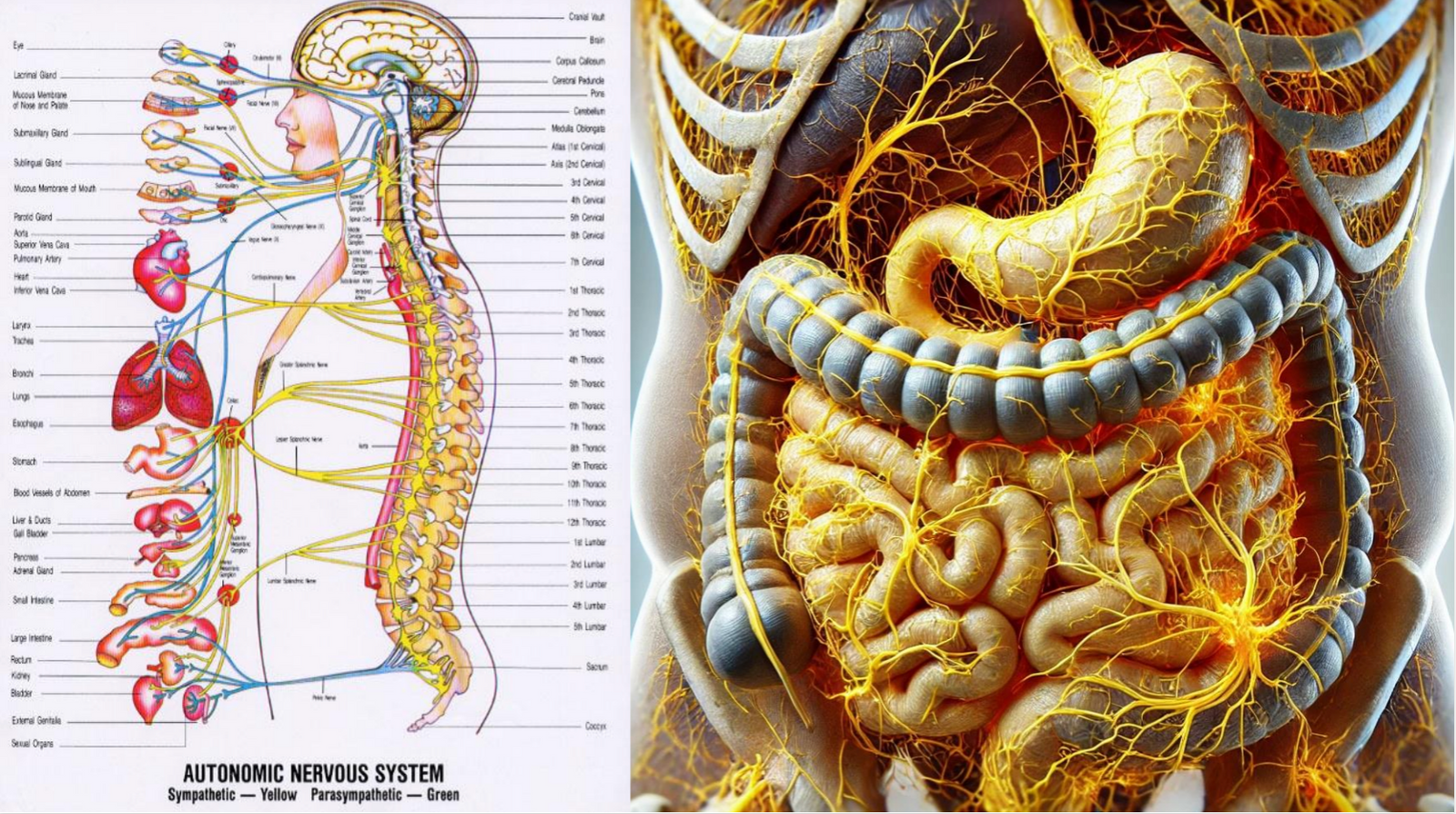
Hidden within the walls of your digestive tract is an incredible network of hundreds of millions of nerve cells known as the enteric nervous system.
Because of its size and complexity, many scientists refer to it as the body's "second brain."
While it doesn't think or reason the way your brain does, it continuously manages digestion, coordinates muscle contractions throughout the intestines, regulates digestive secretions, and communicates with your central nervous system around the clock.
Rather than functioning independently, the brain and gut work together as one integrated system. What affects one almost always affects the other.
This is why emotional stress often produces digestive symptoms, and digestive dysfunction can influence mood, focus, and overall mental well-being.
The Vagus Nerve: The Communication Superhighway
The primary communication pathway between your brain and digestive system is the vagus nerve.
As the longest cranial nerve in the body, it travels from the brainstem through the neck and into the chest and abdomen, connecting the brain with the stomach, liver, gallbladder, pancreas, intestines, heart, lungs, and other vital organs.
Every day, this remarkable nerve helps regulate stomach acid production, digestive enzyme release, intestinal movement, and many other automatic functions that keep the body healthy.
Healthy communication along this pathway allows digestion to function efficiently. When communication becomes disrupted, the body's ability to regulate these processes may also be affected.
Supporting nervous system health is one important way to support digestive health.
Why Chiropractic Care Supports More Than Your Spine
Many people think chiropractic care is only about relieving back or neck discomfort.
While pain relief is certainly valuable, chiropractic care is ultimately centered on improving nervous system function.
The spine protects the delicate nerves responsible for carrying information between the brain and every organ in the body. When spinal joints lose proper motion or become restricted, communication throughout the nervous system may become less efficient.
Because the upper cervical spine is located near the origin of the vagus nerve, maintaining healthy movement in this region may help support normal communication between the brain and digestive organs.
Chiropractic adjustments are designed to improve spinal function, allowing the nervous system to communicate as efficiently as possible so the body can better regulate healing, digestion, and overall health.
Your Microbiome Is Part of the Conversation
The communication between your gut and brain extends beyond nerves alone.
The trillions of beneficial microorganisms living inside your digestive tract also produce compounds that influence the nervous system, immune system, metabolism, and inflammation.
A balanced microbiome supports digestion, helps regulate immune responses, and contributes to healthy brain chemistry.
When the microbiome becomes imbalanced, communication throughout the gut-brain axis may also be affected.
This growing area of research continues to highlight the importance of maintaining a diverse and healthy population of beneficial bacteria through nutrition and healthy lifestyle habits.
Feed the Microbiome Every Day
Your microbiome thrives when it receives the nutrients it needs.
One of the most important sources of nourishment is dietary fiber.
Fiber-rich vegetables, fruits, legumes, nuts, seeds, and whole grains provide prebiotics—the food that beneficial bacteria use to grow and flourish.
As these bacteria digest fiber, they produce compounds called postbiotics, including short-chain fatty acids that help nourish the cells lining the colon and support healthy immune and inflammatory responses.
Fermented foods such as yogurt, kefir, sauerkraut, kimchi, and miso can also contribute beneficial bacteria that support microbial diversity.
Small, consistent dietary choices can have a meaningful impact on the health of your microbiome over time.
Lifestyle Shapes the Gut-Brain Axis
Nutrition is only one part of the equation.
The gut and brain also respond to sleep, movement, stress, hydration, and physical activity.
Chronic stress may shift the body into "fight or flight" mode, reducing digestive efficiency and altering communication between the brain and digestive system.
Regular exercise supports healthy circulation, promotes digestive movement, and contributes to overall nervous system health.
Quality sleep allows both the brain and digestive system time to repair and recover.
When healthy lifestyle habits work together, they create an environment where the body can function closer to the way it was designed.
Listen to the Signals
Your body is always communicating.
Brain fog, digestive discomfort, fatigue, mood changes, poor concentration, and low energy are often signals worth paying attention to rather than simply covering up.
Instead of asking how to eliminate symptoms as quickly as possible, consider asking a different question:
"What is my body trying to tell me?"
Looking beneath the surface often reveals opportunities to restore function rather than simply manage discomfort.
Supporting the nervous system, nourishing the microbiome, and caring for digestive health are all part of building long-term wellness.