
Cancer as an Ecosystem: Why Environment, Not Genetics, Shapes Your Health Outcome

Understanding Cancer as an Ecosystem
Cancer is often misunderstood as a sudden or purely genetic disease. In reality, it develops over time within an internal environment that either supports health or disease expression. When the body’s terrain becomes inflamed, toxic, and imbalanced, it creates conditions where abnormal cellular behavior can emerge.
In this view, cancer is not just about cells going wrong—it is about the environment allowing those cells to behave differently. This shift in understanding moves the focus away from fear and toward responsibility, awareness, and prevention.
The Fishbowl Analogy: Why Environment Matters More Than We Think
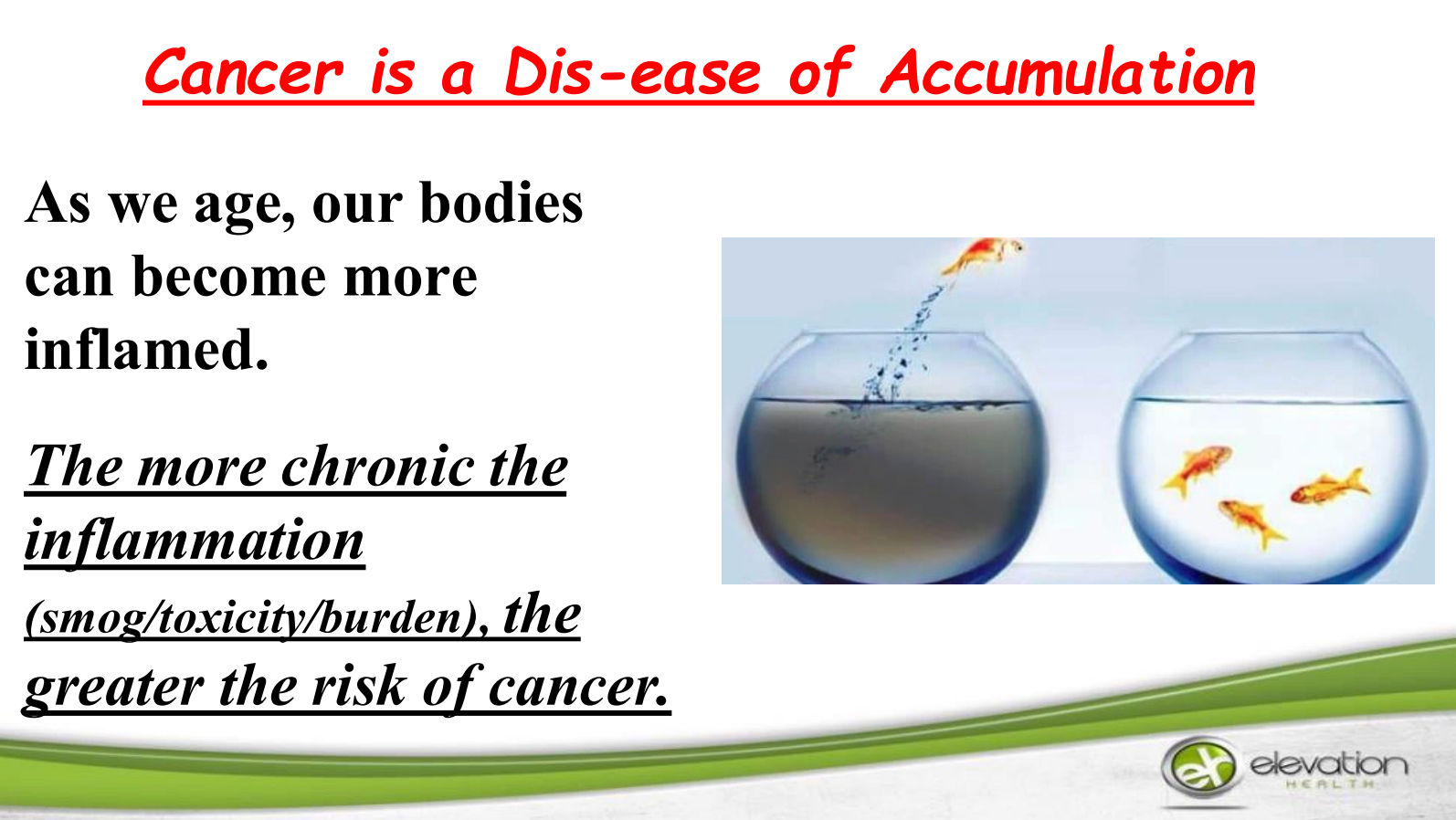
The fishbowl analogy offers a simple but profound insight into health. A fish living in dirty water will struggle no matter how many interventions are applied directly to the fish. The real solution is to change the water itself.
Similarly, the human body responds to its internal environment. When that environment is burdened with inflammation, toxins, and stress, the system becomes less efficient at maintaining balance.
Healing, therefore, is not just about treating symptoms—it is about restoring the conditions in which the body can thrive.
Epigenetics: Why Genes Are Not Your Destiny
Modern science increasingly supports the idea that genes are not fixed destiny. Instead, they are influenced by lifestyle and environment through a field known as epigenetics.
Genes can be thought of as potential instructions that are either activated or suppressed based on external inputs such as diet, stress, movement, sleep, and emotional health.
This means that two individuals with similar genetic risks can experience very different health outcomes depending on how they live. The focus shifts from fear of genetics to empowerment through daily choices.
Prevention vs Detection: Rethinking Modern Healthcare
Much of modern healthcare focuses on detection rather than prevention. Tools like mammograms, PSA tests, and Pap smears are valuable for identifying disease once it has already developed to a detectable stage.
However, true prevention involves addressing the internal environment long before disease becomes visible. This requires consistent lifestyle practices that reduce inflammation, support detoxification, and improve cellular communication.
When prevention becomes the focus, health shifts from reactive treatment to proactive creation.
Building a Healthier Internal Environment
Improving health does not require extreme measures. Instead, it requires consistency in foundational habits that support the body’s natural design.
Prioritizing whole foods, hydration, regular movement, quality sleep, stress management, and nervous system balance all contribute to a healthier internal environment.
Over time, these small daily choices accumulate into significant improvements in cellular function and overall vitality.